6 min read
Inclusion in Digital Insurance Malaysia: Ensuring Accessibility
Learn how Malaysia's digital insurers & Takaful operators are championing #InclusioninDigitalInsurance through the #BNMDITO policy. Explore the vision for #DigitalInsuranceMalaysia2025 & accessible financial protection for all.


The digital transformation is reshaping industries globally, and the insurance sector in Malaysia is no exception.
Inclusion in Digital Insurance Malaysia: Ensuring Accessibility
Understanding Digital Insurance in Malaysia: A Comprehensive Overview
The digital transformation is reshaping industries globally, and the insurance sector in Malaysia is no exception. Digital insurance encompasses the use of technology to streamline processes, enhance customer experience, and create new models for distribution and service. This section delves into the key aspects of digital insurance in Malaysia, exploring its current state, the technologies driving its growth, and the implications for accessibility within the market.
One of the fundamental shifts in the Malaysian insurance landscape is the rise of in-surtech. This refers to the application of technology to insurance. It's manifesting in various forms, from online policy purchase platforms to automated claims processing. Traditional insurance companies are increasingly partnering with insurtech startups or developing their own digital capabilities to remain competitive. For instance, several Malaysian insurers now offer online quote generation and policy issuance, significantly reducing the time and effort required for customers. This shift caters to a digitally savvy population increasingly comfortable with online transactions.
A core driver of digital insurance adoption is the increasing penetration of smartphones and internet access in Malaysia. According to data from the Department of Statistics Malaysia, internet usage in the country reached over 74% of the population in 2023. This widespread connectivity provides the infrastructure for digital insurance services to reach a broader customer base. Furthermore, the COVID-19 pandemic accelerated this trend, forcing both insurers and consumers to embrace virtual interactions for convenience and safety.
Several key technologies are powering the digital insurance revolution in Malaysia. Artificial intelligence (AI) is being utilized for tasks such as fraud detection, risk assessment, and personalized policy recommendations. Big data analytics allows insurers to gain deeper insights into customer behavior and market trends, leading to more targeted products and pricing. Blockchain technology offers the potential for greater transparency and security in claims processing and policy management. The integration of these technologies allows for greater efficiency, improved customer service, and the development of innovative insurance products tailored to specific needs.
However, the rapid growth of digital insurance also presents challenges. A significant challenge lies in bridging the digital divide. While internet penetration is high, access and digital literacy are not evenly distributed across the Malaysian population. This disparity can create barriers to accessing digital insurance products, particularly for older demographics or those in rural areas. Addressing this requires a multi-pronged approach, including digital literacy programs and the development of user-friendly digital interfaces.
Another crucial aspect is data privacy and security. As digital insurance relies heavily on the collection and analysis of personal data, robust data protection measures are essential to build trust and maintain regulatory compliance. The Personal Data Protection Act 2010 (PDPA) provides a framework for data protection in Malaysia, and insurers must adhere to its requirements. Transparency about data usage and strong cybersecurity protocols are paramount in fostering consumer confidence.
The future of digital insurance in Malaysia is poised for further expansion. We can anticipate a continued focus on personalized insurance offerings, powered by AI and data analytics. Embedded insurance integrating insurance products into non-insurance platforms is also expected to gain traction, making insurance more accessible at the point of purchase. Furthermore, the rise of the Internet of Things (IoT) will enable new models of risk assessment and pricing, particularly in areas like motor and home insurance. Companies are exploring telematics in vehicles, for example, to offer usage-based insurance policies. These advancements, if implemented thoughtfully, have the potential to significantly enhance inclusion in the Malaysian insurance market.
Navigating the Types of Digital Insurance Available to Malaysian Consumers
The landscape of digital insurance in Malaysia is rapidly evolving, offering a variety of solutions tailored to meet the diverse needs of consumers in the digital age. Understanding the different types of digital insurance is crucial for making informed decisions and ensuring adequate protection. This section explores the key categories available to Malaysian consumers, highlighting their features and benefits.
One prominent category is personal insurance. This encompasses several sub-types designed to safeguard individuals and their well-being. Health insurance is a core component, offering coverage for medical expenses, hospital stays, and sometimes even pre- and post-hospitalization care. Digital platforms have streamlined the process of obtaining health insurance, allowing for quick comparisons of plans and seamless claims submissions. The rise of telehealth further intertwines digital insurance with healthcare accessibility.
Beyond health, life insurance remains a vital aspect of personal financial planning. Digital life insurance policies often offer simpler application processes and competitive premiums compared to traditional methods. These policies can provide financial security for loved ones in the event of the policyholder’s demise. Many digital providers now offer term life insurance, which provides coverage for a specific period, and whole life insurance, which offers lifelong coverage and a cash value component.
Another increasingly popular type is travel insurance. With a growing number of Malaysians traveling both domestically and internationally, travel insurance offers crucial protection against unforeseen circumstances such as trip cancellations, lost luggage, medical emergencies abroad, and travel disruptions. Digital travel insurance platforms allow for easy purchase and management of policies through mobile apps, facilitating swift assistance when needed.
For those who rely on technology and online services, cybersecurity insurance is becoming increasingly relevant. This type of insurance protects against financial losses resulting from cyberattacks, data breaches, and online fraud. As digital transactions become more commonplace, the need for cybersecurity insurance for individuals and households is growing. It can cover costs associated with data recovery, legal fees, and notification expenses.
Furthermore, smartphone and device insurance provides coverage for accidental damage, theft, and loss of electronic devices. Given the high value and reliance on smartphones in modern life, this type of insurance offers peace of mind to Malaysian consumers. Digital insurance providers often offer flexible plans tailored to different device types and usage patterns.
Home insurance also finds its place in the digital insurance ecosystem. While traditionally managed through more conventional channels, digital platforms are now facilitating easier policy comparisons and claims processes for home insurance. These policies can protect against damages caused by fire, natural disasters, and theft, providing financial security for homeowners.
Finally, personal accident insurance offers coverage for injuries or fatalities resulting from accidents. These accidents can occur anywhere, and personal accident insurance can help cover medical expenses, rehabilitation costs, and other related expenses. Digital insurance platforms make it simpler to understand the terms and conditions of these policies.
The accessibility of these diverse digital insurance options empowers Malaysian consumers to proactively manage risks and build a more secure financial future. As the digital insurance sector continues to mature, further innovation and tailored solutions are expected to emerge, catering to the evolving needs of the Malaysian population.
Comparing Digital Insurance Providers: Key Factors for Informed Decision-Making
Navigating the digital insurance landscape in Malaysia requires careful consideration. A multitude of providers now offer various products and services online, making it crucial for individuals and businesses to compare their options effectively. This section outlines the key factors to evaluate when selecting a digital insurance provider, ensuring a well-informed decision that aligns with individual needs and circumstances.
One of the primary aspects to examine is the range of products offered. Some providers specialize in specific insurance types, such as motor or health, while others provide a more comprehensive portfolio. A provider offering a wider selection might be preferable if diverse coverage needs exist. For instance, a family might benefit from a provider offering home, health, and personal accident insurance under one platform. Understanding whether a provider caters to specific demographics or niche requirements is also vital.
Beyond product offerings, the user experience (UX) of the digital platform is paramount. A seamless and intuitive online experience is essential for efficient policy purchasing, claims filing, and account management. This includes the ease of navigation, clarity of information, and the responsiveness of the website or mobile application. Providers that invest in user-friendly design and offer robust digital tools tend to foster greater customer satisfaction. Consider the process of obtaining a quote – is it straightforward and requires minimal information? What is the experience like for submitting a claim digitally?
Pricing and policy terms are naturally significant factors. While competitive premiums are attractive, it’s crucial to delve deeper into the policy details. This involves comparing coverage limits, deductibles, exclusions, and waiting periods across different providers. A seemingly cheaper policy might have limitations that lead to higher out-of-pocket expenses in the event of a claim. Transparency in pricing and clear articulation of policy terms are hallmarks of trustworthy providers. It's wise to compare the cost of coverage with similar benefits offered by different companies.
Another critical element is the provider’s reputation and financial stability. Researching customer reviews and ratings from independent sources can provide valuable insights into the experiences of other users. Look for patterns in feedback regarding claims handling, customer service responsiveness, and overall satisfaction. Furthermore, assessing the financial strength of the insurance provider is important, ensuring they have the capacity to meet future claims obligations. Accreditation by relevant regulatory bodies within Malaysia is a positive indicator of legitimacy and reliability.
Customer support channels and responsiveness are often overlooked but play a crucial role in a positive insurance experience. Digital insurance providers should offer multiple avenues for support, including online chat, email, phone, or a comprehensive FAQ section. The speed and effectiveness of customer service in addressing queries and resolving issues can significantly impact customer loyalty. Ideally, providers should provide prompt and helpful assistance through their preferred channels.
Finally, consider the security measures implemented by the digital insurance platform to protect sensitive personal and financial data. Providers should employ robust encryption and data protection protocols to safeguard user information from cyber threats. Compliance with relevant data privacy regulations is also a key indicator of a provider's commitment to security and user trust. Look for information regarding data encryption, secure payment gateways, and adherence to privacy policies.
The Benefits of Choosing Digital Insurance: Convenience, Cost, and Speed
The shift towards digital insurance in Malaysia is reshaping how individuals and businesses access protection. Moving away from traditional, paper-heavy processes offers significant advantages, particularly in terms of convenience, cost-effectiveness, and speed of service. These benefits are driving greater accessibility to insurance products across the nation, catering to a wider range of needs and demographics.
Unparalleled Convenience
Digital insurance platforms provide a level of convenience previously unavailable. Customers can research, compare, and purchase policies from the comfort of their homes or on the go, 24⁄7. This eliminates the need for physical visits to agents or brokers, saving valuable time and effort. The process typically involves a user-friendly online application, often requiring minimal paperwork. Many insurers are integrating with mobile apps, allowing users to manage their policies, make claims, and access support directly from their smartphones.
Consider a scenario where a freelancer needing personal accident insurance can obtain a quote and purchase a policy within minutes, without scheduling an appointment. This ease of access is particularly beneficial for individuals with busy schedules or those residing in remote areas with limited access to traditional insurance offices. The ability to track policy details and communicate with insurers through digital channels further enhances the overall customer experience. This shift aligns with the increasing preference for online services across various sectors, including banking and e-commerce.
Enhanced Cost Efficiency
One of the key drivers for adopting digital insurance is the potential for reduced costs. Digital platforms streamline operational processes by minimizing overhead expenses associated with physical infrastructure and a large workforce. These savings can often be passed on to customers in the form of more competitive premiums. Furthermore, digital tools enable insurers to better assess risk through data analytics and automation, leading to more accurate pricing. The reduction in manual handling of documents also contributes to lower administrative costs.
Data-driven underwriting, a hallmark of digital insurance, allows for a more personalized approach to pricing. Insurers can leverage data from various sources to better understand individual risk profiles, potentially offering tailored policies at more affordable rates. For instance, a digitally integrated motor insurance platform might factor in driving behavior based on telematics data (with the driver’s consent), leading to premiums adjusted according to actual risk. This contrasts with traditional methods that often rely on broader demographic data.
Accelerated Speed of Service
The speed at which insurance services are delivered is another significant advantage of the digital approach. Applications can be submitted and processed much faster online than through traditional methods. Automated underwriting processes, powered by artificial intelligence and machine learning, expedite policy issuance. Claim processing is also significantly accelerated through digital platforms. Claimants can often submit claims online, upload supporting documents, and receive updates in real-time.
According to industry reports, the average claim settlement time for digital insurance policies can be significantly lower than traditional policies. This swift response is crucial for policyholders facing urgent needs, such as medical emergencies or property damage. For example, a customer who experiences a theft can initiate a claim through an insurer’s app, upload a list of stolen items, and receive an initial assessment within hours, rather than waiting for days for physical documentation and assessment. This speed not only improves customer satisfaction but also enhances the overall efficiency of the insurance industry.
Protecting Your Finances: Understanding Coverage and Policy Details

Navigating the world of digital insurance in Malaysia requires a clear understanding of the coverage offered and the intricate details within each policy. For individuals and businesses alike, effective digital insurance acts as a crucial safety net against an evolving landscape of online risks. This section delves into the key aspects of understanding these elements, empowering users to make informed decisions regarding their financial protection.
Decoding Coverage Options
Digital insurance policies in Malaysia vary significantly in their scope. Broadly, coverage can be categorized into several key areas. Cybersecurity insurance is paramount in today’s digital age, protecting against financial losses resulting from data breaches, cyberattacks, and ransomware. This may include expenses related to data recovery, legal fees, regulatory fines, and customer notification costs. Businesses heavily reliant on online transactions or handling sensitive customer information find this coverage particularly vital.
Another crucial area is identity theft protection. This coverage helps mitigate losses incurred due to unauthorized access to personal information, potentially covering expenses such as credit monitoring, fraud alerts, and legal assistance in resolving identity theft claims. Individuals frequently using online banking and e-commerce platforms stand to benefit from this type of protection.
Furthermore, some digital insurance policies offer coverage for online scams and fraud. This may include reimbursement for financial losses resulting from fraudulent online transactions or deceptive schemes. Understanding the specific types of scams covered within a policy is essential.
Examining Policy Details: Key Considerations
Beyond the broad coverage categories, a careful examination of the policy details is crucial. Pay close attention to the policy limits, which represent the maximum amount the insurer will pay for a covered loss. These limits should align with the potential financial impact of the risks you wish to protect against. For instance, a business with a high volume of online transactions might require higher policy limits than a small individual user.
Exclusions are equally important. These are specific situations or events that the policy does not cover. Common exclusions might include intentional acts, pre-existing conditions (where applicable), or certain types of cyber incidents. Reading the exclusions carefully is vital to avoid unexpected gaps in coverage. For example, a policy might exclude losses arising from unauthorized access due to weak passwords.
Understanding Claim Processes
Knowing the claims process is as important as understanding the coverage itself. Digital insurance providers typically offer streamlined online claim submission portals. However, the specific steps may vary. It’s essential to understand the required documentation, such as police reports, forensic analysis reports, or proof of financial loss. Prompt and accurate documentation significantly contributes to a smoother claims process. Some providers offer dedicated support teams to guide policyholders through the claims journey.
Practical Tips for Informed Decisions
To ensure adequate protection, individuals and businesses should take the following steps:
Assess your digital risks: Identify the specific vulnerabilities and potential threats relevant to your activities. Compare policy offerings: Review coverage options and policy limits from multiple providers. Read the fine print: Carefully examine the policy terms, conditions, and exclusions. Understand the claims process: Familiarize yourself with the steps involved in filing a claim. Ensure sufficient coverage: Select policy limits that adequately address your potential financial exposure.
The digital insurance landscape in Malaysia is continuously evolving. By proactively understanding coverage options and policy details, users can make informed choices that effectively safeguard their digital assets and financial well-being.
Making a Claim with a Digital Insurer: A Step-by-Step Guide
Navigating the process of making a claim with a digital insurer can feel straightforward, yet understanding the steps involved ensures a smoother experience. These insurers leverage technology to streamline operations, and their claim processes often reflect this efficiency. This guide outlines the typical steps involved, providing clarity for policyholders in Malaysia.
1. Initial Report and Notification
The first crucial step is to report the incident to your insurer as soon as reasonably possible. Most digital insurers offer multiple channels for reporting, including:
Online portal: This is usually the primary method, allowing you to file a claim directly through their website or mobile application. Mobile application: Many insurers have dedicated apps with claim submission features. Email: Some insurers provide a specific email address for claim reporting. Phone: While digital insurers prioritize online channels, a phone number is often available for urgent situations or assistance.
When reporting, provide a detailed account of the incident. Include:
Date and time of the incident Location of the incident A clear description of what happened Any relevant details, such as witness information or police reports (if applicable).
2. Providing Evidence
Digital insurers rely heavily on digital evidence to assess claims. Be prepared to provide supporting documentation, which may include:
Photographs or videos: Visual evidence is often essential to demonstrate the extent of the damage. For instance, in a motor insurance claim, photos of the vehicle damage from multiple angles are usually required. Police report: If the incident involved theft or an accident, a police report is usually necessary. Repair estimates: Obtain quotes from reputable repair shops for vehicle or property damage claims. Medical reports: For health insurance claims, provide relevant medical documentation from healthcare providers. Other relevant documents: This could include receipts, invoices, or any other documentation supporting your claim.
3. Claim Assessment
Once you submit your claim and supporting evidence, the digital insurer will begin the assessment process. This typically involves:
Reviewing the submitted information: The insurer will analyze the details provided to understand the nature of the claim. Valuation of damages: For property or vehicle claims, the insurer will assess the cost of repairs or replacement. Verification of policy coverage: They will confirm whether the incident falls under the terms and conditions of your policy. Potential for further information: The insurer may contact you for additional details or clarification.
4. Claim Settlement
If your claim is approved, the digital insurer will proceed with settlement. The method of settlement can vary depending on the type of claim and the insurer’s policies. Common settlement methods include:
Direct payment to you: The insurer will deposit the claim amount directly into your bank account. Payment to a repair shop: In some cases, the insurer may directly pay the repair shop. Replacement of damaged items: For certain claims, the insurer may arrange for the replacement of damaged property.
5. Post-Settlement
After the claim is settled, the insurer may request you to return any insurer-provided items, such as a repaired vehicle. It's also a good practice to review the settlement documentation carefully to ensure accuracy.
Digital insurance platforms often utilize artificial intelligence (AI) and machine learning to expedite the claim process. For example, AI can assist in evaluating damage from submitted photos, leading to faster assessments. According to a report by Statista in 2023, the digital insurance market in Malaysia is projected to reach USD 1.2 billion by 2028, highlighting the growing adoption of these efficient processes. This rise in digital insurance encourages insurers to continually refine their claim procedures for enhanced customer convenience.
Important Note: While digital insurers often offer a seamless online experience, it’s crucial to read your policy documents carefully to understand the specific terms, conditions, and limitations of your coverage.
Future Trends in Digital Insurance Malaysia: Innovations and What’s Next
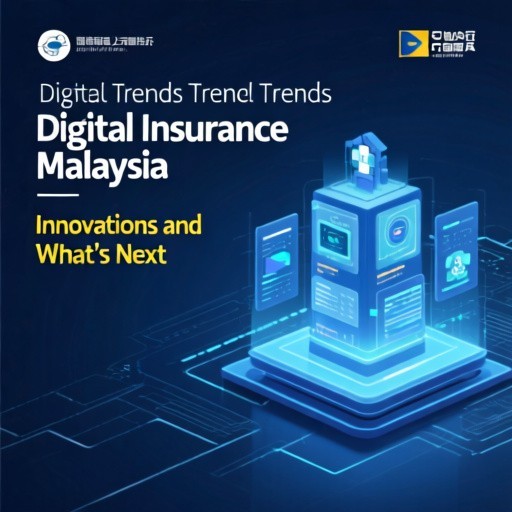
The digital insurance landscape in Malaysia is poised for significant evolution, driven by technological advancements and shifting consumer expectations. Several key trends are expected to shape the industry in the coming years, impacting how insurers operate and how customers interact with their policies.
One prominent shift involves the increasing adoption of Artificial Intelligence (AI) and Machine Learning (ML). These technologies are moving beyond basic chatbots to power more sophisticated applications. For instance, AI algorithms can analyze vast datasets to assess risk more accurately, personalize policy offerings, and automate claims processing. This leads to faster turnaround times and more tailored insurance solutions. A real-world scenario illustrating this is the use of AI-powered image recognition in motor insurance claims. Instead of manual assessment, customers can submit photos of vehicle damage, and AI algorithms can estimate repair costs, streamlining the process significantly. According to a report by Statista, the AI in insurance market in Malaysia is projected to reach $XX million by 2028, indicating substantial growth potential.
Blockchain technology offers another transformative avenue. Its inherent security and transparency are particularly valuable in combating fraud and enhancing data management. Insurance policies built on blockchain can be more resilient to tampering and provide a verifiable record of transactions. Consider how smart contracts can automate premium payments and claim payouts upon fulfillment of pre-defined conditions, reducing administrative overhead and improving efficiency. While still in its early stages of adoption in Malaysia, pilot projects are exploring blockchain’s capabilities in areas like supply chain insurance and parametric insurance products policies that trigger payouts based on specific, measurable events like weather conditions.
The rise of the Internet of Things (IoT) is also creating new opportunities. Wearable devices, telematics in vehicles, and smart home sensors generate a continuous stream of data that can be leveraged to offer more proactive and personalized insurance. For example, usage-based car insurance, where premiums are adjusted based on driving behavior tracked by telematics devices, is gaining traction. Similarly, home insurance policies linked to smart home devices can offer real-time alerts for potential hazards like water leaks or fire, enabling preventative measures and potentially reducing claim frequency. This shift towards preventative insurance signifies a move beyond reactive claims management.
Hyper-personalization will become a defining characteristic of digital insurance. Insurers are increasingly utilizing data analytics to understand individual customer needs and preferences. This goes beyond simple demographic segmentation to create highly tailored products and services. For example, a lifestyle insurance policy might incorporate health tracking data from wearables to offer customized wellness programs and potentially adjust premiums based on healthy behaviors. The emphasis is on providing value-added services that resonate with each customer’s unique circumstances.
Embedded insurance, where insurance products are integrated into non-insurance platforms, is gaining momentum. Consider a scenario where a travel booking website offers travel insurance directly during the booking process. This seamless integration enhances convenience for consumers and expands the reach of insurance providers. Retailers and e-commerce platforms are increasingly partnering with insurers to offer relevant coverage at the point of sale. This trend reduces friction in the customer journey and makes insurance more accessible.
Furthermore, the focus on digital customer experience will continue to intensify. Customers expect seamless, omnichannel interactions, from online applications to mobile claims reporting. Insurers are investing in user-friendly digital platforms, mobile apps, and virtual assistants to enhance customer engagement and satisfaction. This includes leveraging technologies like augmented reality (AR) for virtual claims inspections and interactive online portals for policy management.
Finally, regulatory developments will play a crucial role in shaping the future of digital insurance in Malaysia. The Central Bank of Malaysia is actively exploring frameworks to foster innovation while ensuring consumer protection and financial stability. Expect increased emphasis on data privacy, cybersecurity, and the responsible use of AI in the insurance sector. Navigating these evolving regulatory landscapes will be critical for insurers seeking to thrive in the digital age.
Frequently Asked Questions
What is digital insurance?
Digital insurance is the use of technology to streamline insurance processes, enhance customer experience, and create new distribution and service models.
How is digital insurance impacting the Malaysian insurance market?
It is driving growth through online policy purchase, automated claims processing, and partnerships between traditional insurers and insurtech startups.
What are some key technologies driving digital insurance in Malaysia?
Artificial intelligence (AI), big data analytics, and blockchain technology are being used to improve efficiency, personalize services, and enhance security.
What are the challenges of digital insurance in Malaysia?
Bridging the digital divide and ensuring equitable access to technology and digital literacy for all segments of the population is a key challenge.
Feb 18, 2026